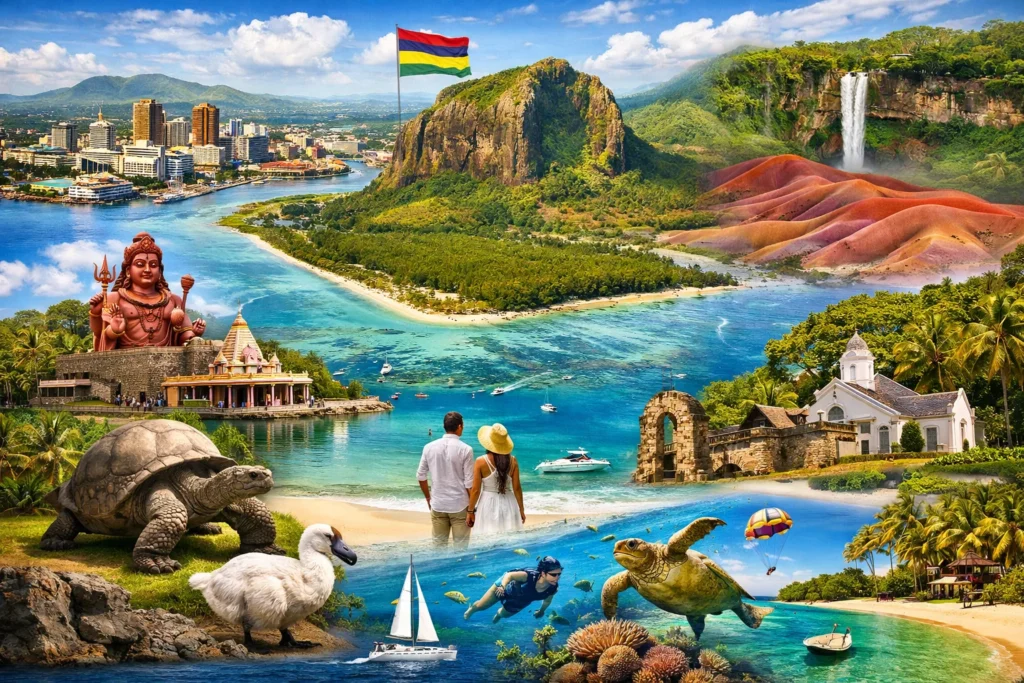
Mauritius is more than just a tropical island with turquoise waters. It is a destination where beaches meet mountains, cultures blend effortlessly, and every journey feels slow, meaningful, and deeply refreshing. Located in the Indian Ocean, Mauritius has quietly become one of the most loved island destinations for travelers seeking nature, relaxation, adventure, and cultural depth in one place.
For travelers searching for an island destination that balances luxury with authenticity, Mauritius offers an experience that feels both indulgent and grounded. From coral reefs and volcanic landscapes to colorful markets and centuries-old traditions, this island nation invites you to explore at your own pace.
Overview of Mauritius
Mauritius is an island country situated in the southwest Indian Ocean, about 2,000 km off the southeast coast of Africa. It forms part of the Mascarene Islands, along with Réunion and Rodrigues. Despite its small size, Mauritius packs an impressive variety of landscapes, cultures, and experiences.
The capital city, Port Louis, serves as the main gateway to the country. Sir Seewoosagur Ramgoolam International Airport, located near Mahébourg, connects Mauritius with major cities in Europe, Asia, Africa, and the Middle East.
AI Travel Planner
Mauritius is important for travelers because it offers a rare mix of world-class beaches, lush interiors, volcanic mountains, and a peaceful multicultural society influenced by Indian, African, French, Chinese, and Creole traditions.
Major Cities and Regions of Mauritius
Port Louis
The capital and economic hub of Mauritius, Port Louis is known for its bustling markets, colonial architecture, waterfront area, and cultural landmarks.
Grand Baie
Located in the north, Grand Baie is famous for nightlife, shopping, beaches, and water sports. It is one of the most tourist-friendly areas.
Flic en Flac
On the west coast, Flic en Flac offers long sandy beaches, calm waters, and some of the best sunsets on the island.
Belle Mare
Situated on the east coast, Belle Mare is known for luxury resorts, quiet beaches, and stunning sunrises.
Mahebourg
A historic coastal town near the airport, Mahebourg provides insight into local life and Mauritius’ colonial past.
Famous Tourist Places in Mauritius
Le Morne Brabant
Region: Southwest Mauritius
Distance from Port Louis: 40 km
How to Reach: Taxi or rental car
Why It’s Famous:
A UNESCO World Heritage Site, Le Morne Brabant is a dramatic basalt mountain with deep historical significance. It was once a refuge for escaped slaves. Today, it offers breathtaking views, scenic hikes, and a strong emotional connection to Mauritius’ past.
Chamarel Seven Colored Earth
Region: Chamarel
Distance from Port Louis: 50 km
How to Reach: Road trip or guided tour
Why It’s Famous:
This natural phenomenon features sand dunes of seven distinct colors formed by volcanic activity. Nearby attractions include Chamarel Waterfall and local rum distilleries.
Île aux Cerfs
Region: East Coast
Distance from Port Louis: 45 km
How to Reach: Boat from Trou d’Eau Douce
Why It’s Famous:
One of the most popular island excursions in Mauritius, Île aux Cerfs is known for white-sand beaches, lagoons, water sports, and postcard-perfect scenery.
Black River Gorges National Park
Region: Southwest Mauritius
Distance from Port Louis: 30 km
How to Reach: Road or guided tour
Why It’s Famous:
This protected area showcases Mauritius’ wild side with dense forests, waterfalls, hiking trails, and rare endemic wildlife.
Pamplemousses Botanical Garden
Region: Pamplemousses
Distance from Port Louis: 11 km
How to Reach: Taxi or local bus
Why It’s Famous:
One of the oldest botanical gardens in the Southern Hemisphere, it is famous for giant water lilies, spice plants, and tropical trees.
Landscapes and Natural Attractions
Mauritius surprises travelers with its diverse natural landscapes. Beyond beaches, the island features volcanic craters, rolling sugarcane fields, forests, rivers, and coral reefs.
The central plateau is cooler and greener, offering waterfalls and panoramic viewpoints. Coastal areas vary by region, with calm lagoons in the north and east, and rugged cliffs in the south. Seasonal changes are subtle but noticeable, with greener landscapes after the summer rains and clearer skies in winter.
Best Things to Do in Mauritius
Beach relaxation is just the beginning. Mauritius invites travelers to experience its culture, nature, and rhythm of life.
Explore coastal villages and local markets, take catamaran cruises, visit temples and churches, enjoy Creole cooking experiences, and spend time snorkeling or swimming in crystal-clear lagoons. Sunset watching on the west coast and sunrise walks on the east coast are simple yet unforgettable experiences.
Adventure and Unique Experiences
Mauritius caters to both soft and high-adrenaline adventures.
Hiking and Trekking:
Best experienced at Le Morne Brabant and Black River Gorges, suitable for beginners to intermediate hikers. The best season is May to October.
Scuba Diving and Snorkeling:
Available year-round, especially along the north and west coasts. Beginners can enjoy shallow reef dives, while experienced divers can explore shipwrecks.
Kitesurfing:
Popular in Le Morne due to consistent winds, best from June to September.
Dolphin Watching:
Boat tours from Tamarin Bay offer chances to see spinner and bottlenose dolphins in their natural habitat.
Culture, History, and Heritage
Mauritius has no indigenous population, making it one of the world’s most culturally blended societies. Its history reflects waves of migration, colonization, and resilience.
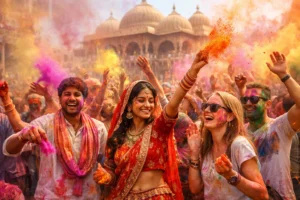
Indian festivals like Diwali and Holi are celebrated alongside Chinese New Year, Eid, and Christmas. Hindu temples, mosques, churches, and pagodas coexist peacefully.
The island’s architecture, music, and cuisine reflect Creole, French, Indian, and African influences. UNESCO-listed Aapravasi Ghat in Port Louis stands as a symbol of indentured labor history and global migration.
Local Insights You Should Know
Mauritians value politeness and patience. A simple greeting goes a long way. English is the official language, but French and Creole are widely spoken.
Local food is flavorful and diverse. Try dholl puri, gateaux piments, fish vindaye, and fresh seafood from roadside stalls. Eating where locals eat often leads to the best meals.
Public buses are affordable but slow. Renting a car offers flexibility, especially for exploring remote areas. Sundays are quieter, with many shops closed, making it a great day for nature and beaches.
Dress modestly when visiting religious sites and always ask before photographing people.
Practical Travel Information
Best Time to Visit:
May to November offers pleasant weather, lower humidity, and ideal conditions for outdoor activities.
Ideal Trip Duration:
7 to 10 days allows you to explore beaches, interiors, and cultural highlights comfortably.
Budget Range:
Budget travelers can manage with guesthouses and local food. Mid-range travelers enjoy boutique hotels and excursions. Luxury travelers will find world-class resorts and private experiences.
Safety:
Mauritius is considered very safe for tourists. Standard precautions apply, especially in crowded areas.
Connectivity and Transport:
Good mobile coverage and internet access. Taxis and rental cars are common, while buses serve most towns.
Sample 5-Day Mauritius Itinerary
Day 1: Arrival, relax at the beach near your hotel, sunset walk
Day 2: Port Louis sightseeing, Central Market, Aapravasi Ghat, Caudan Waterfront
Day 3: Chamarel, Seven Colored Earth, waterfall, rum tasting
Day 4: Île aux Cerfs day trip with snorkeling and beach time
Day 5: Black River Gorges hike, dolphin watching, west coast sunset
Frequently Asked Questions About Mauritius
Is Mauritius safe for tourists?
Yes, it is one of the safest island destinations, even for solo travelers.
What is the best month to visit Mauritius?
June to September offers the best balance of weather and activities.
Is Mauritius good for solo travelers?
Absolutely. It is welcoming, safe, and easy to navigate.
Is Mauritius budget-friendly?
It can be, especially with local accommodation and transport choices.
Do I need a visa for Mauritius?
Many nationalities receive visa-free entry or visa on arrival.
Internal Linking Suggestions for TravelBloomy
Link Mauritius with related Indian Ocean destinations like Seychelles and Maldives for island comparisons.
Connect Mauritius city guides such as Port Louis and Grand Baie for deeper exploration.
Link adventure content like snorkeling and island hopping guides within TravelBloomy.
Conclusion
Mauritius is a destination that rewards slow travel. It invites you to move beyond resorts, talk to locals, explore inland landscapes, and appreciate its layered history. Whether you come for beaches, culture, adventure, or peace, Mauritius leaves you with a sense of balance and warmth that lingers long after you leave.
For travelers seeking meaningful island experiences without rushing, Mauritius remains one of the most complete and fulfilling destinations in the world.