Japan Travel Guide: A Journey Through Tradition, Technology, and Timeless Beauty
Introduction
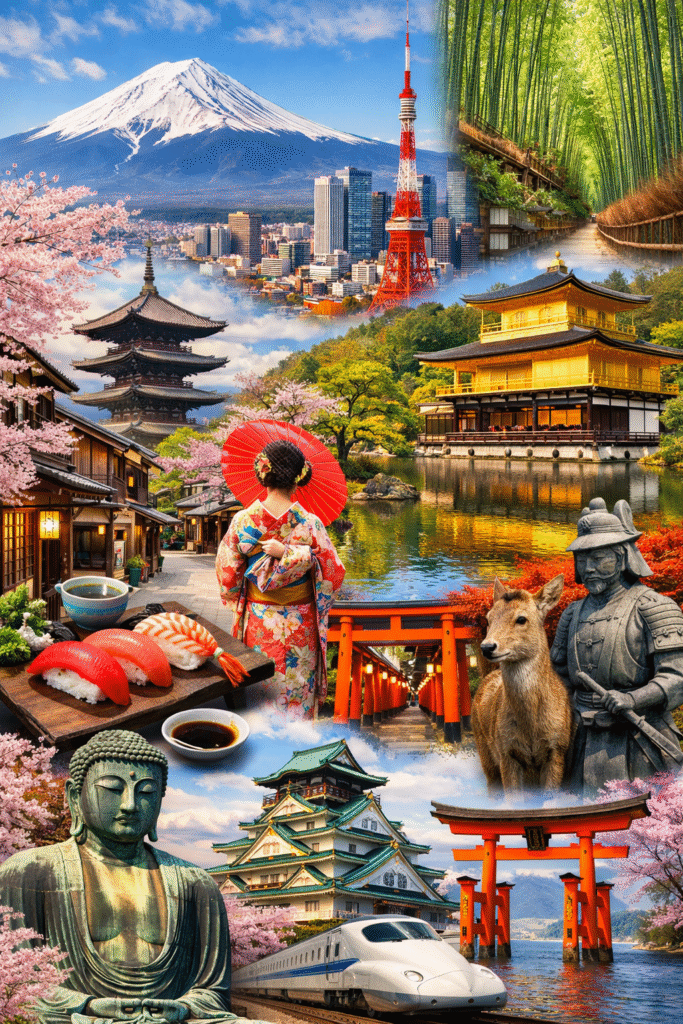
Japan is a country where ancient traditions blend seamlessly with futuristic innovation, creating a travel experience unlike anywhere else in the world. This Japan travel guide is designed to help you plan a meaningful journey, whether you are drawn to peaceful temples, vibrant cities, or scenic landscapes. From first-time visitors to experienced travelers, Japan offers a perfect balance of culture, efficiency, and unforgettable experiences.
Overview of the Country
Japan is an island nation in East Asia, located in the Pacific Ocean and made up of four main islands: Honshu, Hokkaido, Kyushu, and Shikoku. Known for its cultural depth and technological advancement, Japan attracts travelers seeking both heritage and modernity. Tokyo serves as the primary international gateway and capital, while cities like Osaka and Kyoto add diversity to the travel experience. Japan is ideal for cultural exploration, solo travel, luxury experiences, and structured itineraries.
Major Cities / Regions
Tokyo is the heart of modern Japan, offering skyscrapers, shopping districts, and vibrant nightlife, ideal for urban explorers.
Kyoto is known for its temples, shrines, and traditional culture, perfect for history and culture lovers.
AI Travel Planner
Osaka is famous for its food culture and lively atmosphere, making it great for food enthusiasts.
Hokkaido is known for its natural beauty, snow landscapes, and winter sports, ideal for nature lovers.
Hiroshima offers historical significance and peace memorials, suitable for reflective and educational travel.
Famous Tourist Places
Mount Fuji
Located about 100 km from Tokyo, Mount Fuji is accessible by train or bus. It is Japan’s most iconic natural landmark and popular for hiking and photography.
Fushimi Inari Shrine
Situated in Kyoto, around 450 km from Tokyo, this shrine is reachable via bullet train and local transport. It is famous for its thousands of red torii gates.
Shibuya Crossing
Located in Tokyo, easily accessible by metro, this is one of the busiest pedestrian crossings in the world and a symbol of modern Japan.
Arashiyama Bamboo Grove
Located in Kyoto, this scenic spot is accessible by train. It is known for its peaceful walking paths surrounded by tall bamboo forests.
Hiroshima Peace Memorial Park
About 800 km from Tokyo, accessible via bullet train, this site commemorates history and promotes peace.
Landscapes & Natural Attractions
Japan’s landscapes vary significantly across regions. From the snow-covered mountains of Hokkaido to the tropical beaches of Okinawa, the country offers year-round beauty. Cherry blossoms in spring and vibrant autumn foliage are major attractions. National parks, volcanic regions, and coastal views provide opportunities for exploration. The balance of urban and natural environments makes Japan a unique destination for travelers.
Best Things to Do
Visitors can explore traditional temples in Kyoto, experience the fast-paced life of Tokyo, and enjoy local cuisine across regions. Cultural experiences include tea ceremonies, wearing traditional attire, and visiting historical sites. Nature lovers can enjoy scenic train journeys, mountain hikes, and coastal walks. Food experiences are central to travel in Japan, with sushi, ramen, and street food offering diverse flavors. Relaxation can be found in hot springs known as onsen.
Adventure & Experiences
Japan offers a variety of adventure activities. Skiing in Hokkaido is best during winter months and is suitable for all skill levels. Hiking Mount Fuji is popular during summer and is suitable for beginners with preparation. Snorkeling and diving in Okinawa are best from May to October. Cycling through countryside routes offers a peaceful experience for all levels. Theme parks and unique attractions add an element of fun for families and groups.
Culture, History & Heritage
Japan has a rich cultural heritage shaped by centuries of tradition. From samurai history to modern pop culture, the country offers a wide range of experiences. UNESCO World Heritage sites include temples, castles, and historical villages. Festivals such as cherry blossom viewing and traditional celebrations reflect seasonal beauty. Art, architecture, and craftsmanship are deeply rooted in Japanese society, making cultural exploration an essential part of travel.
Local Insights
Travelers should be aware of Japan’s etiquette, such as removing shoes before entering homes and maintaining silence in public transport. Convenience stores offer high-quality food at affordable prices. Public transport is highly efficient, and trains are the best way to travel between cities. Learning a few basic Japanese phrases can enhance the experience. Exploring neighborhoods beyond major attractions can reveal hidden gems and authentic local life.
Practical Travel Information
The best time to visit Japan is during spring (March to May) and autumn (September to November). A typical trip duration is 7 to 10 days. Budget travelers can expect to spend around $70–$120 per day, mid-range travelers $150–$300, and luxury travelers $400 or more. Japan is considered one of the safest countries for tourists. Connectivity is excellent, and transport options include bullet trains, metros, and buses.
Estimated Trip Cost from India
Flights from India usually cost between $600 and $1000 depending on the season. Accommodation ranges from $40 per night for budget stays to $350 or more for luxury hotels. Food costs vary from $15 to $60 per day. Transport, including rail passes, may cost around $150–$400. Activities and attractions may range from $50 to $200. Visa and insurance may cost around $100–$150.
Budget trip estimate: $1200–$1800 for 5–7 days
Mid-range trip estimate: $2000–$3200
Luxury trip estimate: $4000+
Sample Itinerary
Day 1–2: Tokyo
Explore Shibuya, temples, shopping districts, and local food
Day 3: Mount Fuji
Day trip for scenic views and nature exploration
Day 4–5: Kyoto
Visit temples, shrines, and cultural landmarks
Day 6: Osaka
Food exploration and city experience
Day 7: Hiroshima
Historical sites and reflection
FAQs
Is Japan safe for travelers
Yes, Japan is one of the safest countries in the world.
What is the best time to visit Japan
Spring and autumn are ideal due to pleasant weather and seasonal beauty.
Is Japan expensive
Japan can be expensive, but budget options are available with proper planning.
How many days are enough for Japan
A 7 to 10-day trip is ideal for major highlights.
Do Indians need a visa for Japan
Yes, Indian travelers need a visa before traveling.
Is Japan good for solo travel
Yes, it is highly suitable due to safety and efficient transport.
TravelBloomy Smart Planning
Planning your Japan trip becomes easier when you organize your itinerary based on your interests. Using an AI itinerary planner can help you optimize routes, manage your budget, and discover hidden experiences. Structured planning ensures you get the most out of your time while balancing exploration and relaxation.
Conclusion
Japan offers a unique blend of tradition and innovation, making it one of the most fascinating destinations in the world. From serene temples and natural beauty to vibrant cities and cultural richness, every journey in Japan feels meaningful. With thoughtful planning, your trip to Japan can become a deeply memorable experience filled with discovery and inspiration.