Introduction
India is one of the most diverse and emotionally rich travel destinations in the world. From snow-covered Himalayan mountains to tropical beaches, ancient deserts to dense forests, and centuries-old cities to fast-growing metros, India offers an unmatched variety of travel experiences. This India travel guide is designed to help travelers understand what makes the country special, how to plan real trips, and how to explore India beyond surface-level tourism. Whether you are a solo traveler, couple, family, or slow explorer, India rewards curiosity, patience, and openness.
Overview of India
India is located in South Asia and is the seventh-largest country in the world by land area. It shares borders with Pakistan, China, Nepal, Bhutan, Bangladesh, and Myanmar, while being surrounded by the Arabian Sea, Bay of Bengal, and Indian Ocean. India’s importance for travelers lies in its cultural depth, spiritual heritage, affordability, and geographic diversity.
New Delhi, the capital city, acts as the main gateway city for international travelers, with major international airports and rail connections across the country.
Major Cities and Regions of India
New Delhi – Political capital, historic monuments, museums, and cultural centers
AI Travel Planner
Mumbai – Financial capital, Bollywood film industry, colonial architecture, and coastal lifestyle
Bengaluru – Technology hub, pleasant climate, and modern urban culture
Chennai – Gateway to South Indian temples, classical music, and coastal heritage
Kolkata – Cultural and literary capital with colonial charm
Hyderabad – Blend of royal Nizam heritage and modern IT growth
Jaipur – Royal city of forts and palaces in Rajasthan
Kochi – Coastal city and entry point to Kerala’s backwaters
Famous Tourist Places in India
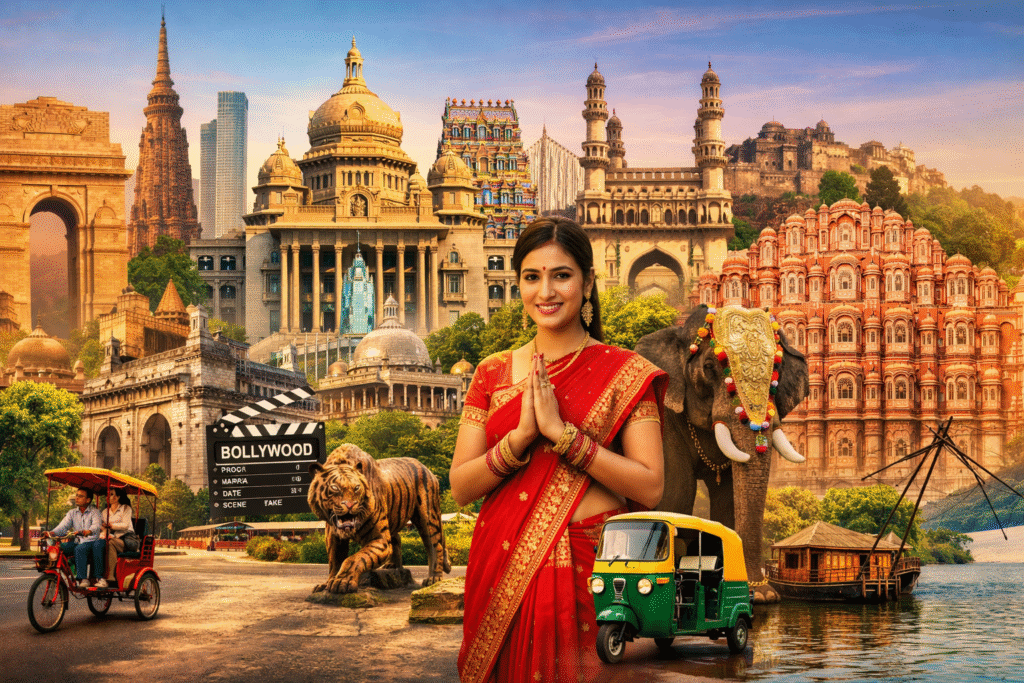
Taj Mahal – Agra, Uttar Pradesh
Distance from New Delhi: Approximately 230 km
How to reach: Train (2–3 hours via Gatimaan Express), Road (4 hours via Yamuna Expressway)
The Taj Mahal is a UNESCO World Heritage Site and one of the world’s most famous monuments, representing Mughal architecture and timeless love.
Jaipur – Rajasthan
Distance from New Delhi: Approximately 280 km
How to reach: Train (4–5 hours), Road (5 hours via NH48)
Jaipur is known for its royal forts, palaces, colorful markets, and traditional Rajasthani culture.
Varanasi – Uttar Pradesh
Distance from New Delhi: Approximately 820 km
How to reach: Flight (1.5 hours), Overnight trains
Varanasi is one of the world’s oldest continuously inhabited cities and a major spiritual center on the banks of the Ganga River.
Goa – Western Coast
Distance from New Delhi: Approximately 1900 km
How to reach: Flight (2.5 hours), Train (24–30 hours)
Goa is famous for beaches, Portuguese heritage, relaxed lifestyle, and vibrant nightlife.
Kerala Backwaters – Alappuzha
Distance from New Delhi: Approximately 2700 km
How to reach: Flight to Kochi (3.5 hours), then road travel
Kerala’s backwaters offer slow travel experiences through canals, villages, and lush landscapes.
Leh-Ladakh – Union Territory of Ladakh
Distance from New Delhi: Approximately 1000 km
How to reach: Flight (1.5 hours), Road via Manali or Srinagar (seasonal)
Ladakh is known for high-altitude deserts, monasteries, mountain passes, and dramatic scenery.
Rishikesh and Haridwar – Uttarakhand
Distance from New Delhi: Approximately 240 km
How to reach: Train (4–5 hours), Road (5 hours)
These towns are famous for yoga, meditation, river rafting, and spiritual experiences along the Ganga River.
Landscapes and Natural Attractions
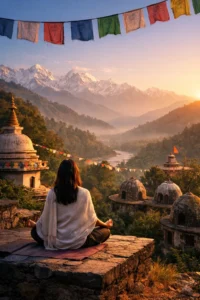
India’s landscapes change dramatically across regions. The Himalayas dominate the north, offering snow peaks and trekking routes. The Western and Eastern Ghats provide green hills and biodiversity. The Thar Desert in Rajasthan offers sand dunes and desert culture. India also has long coastlines with beaches in Goa, Kerala, and the Andaman Islands. Dense forests, rivers, lakes, and national parks add to India’s natural richness.
Best Things to Do in India
Sightseeing historical monuments and temples
Exploring old cities and local markets
Relaxing on beaches and in hill stations
Experiencing yoga, meditation, and wellness retreats
Trying diverse regional cuisines
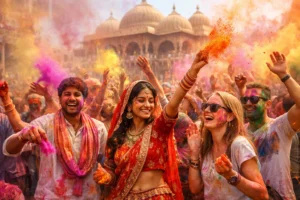
Attending festivals and cultural events
Adventure and Experiences
Trekking – Himalayas, Uttarakhand, Himachal Pradesh (best from April to October)
River Rafting – Rishikesh and Zanskar River (moderate to advanced)
Paragliding – Bir Billing, Himachal Pradesh (best from March to June)
Scuba Diving and Snorkeling – Andaman Islands (best from November to April)
Skiing – Gulmarg, Kashmir (winter season)
Desert Safari – Jaisalmer, Rajasthan (October to March)
Culture, History, and Heritage
India’s history spans thousands of years, from ancient civilizations to medieval kingdoms and colonial rule. The country is home to over 40 UNESCO World Heritage Sites, including temples, forts, caves, and monuments. Indian culture is deeply rooted in traditions, festivals, music, dance, architecture, and spiritual practices.
Local Insights Most Travelers Don’t Know
India is not one culture but hundreds of micro-cultures.
Local trains and buses are often the fastest and cheapest way to travel.
Eating where locals eat is usually safer than tourist-focused restaurants.
Festivals are best experienced in smaller towns rather than major cities.
Many peaceful destinations exist beyond crowded tourist hotspots.
Practical Travel Information
Best time to visit: October to March for most regions
Ideal trip duration: 10–21 days for a balanced experience
Budget range: Very budget-friendly to luxury travel options
Safety: Generally safe with basic precautions
Connectivity: Excellent mobile networks and affordable internet
Sample 5-Day India Itinerary (First-Time Travelers)
Day 1: Arrive in New Delhi – Explore Old Delhi and monuments
Day 2: Travel to Agra – Visit Taj Mahal and Agra Fort
Day 3: Jaipur – Explore forts and markets
Day 4: Fly to Varanasi – Evening Ganga Aarti
Day 5: Sunrise boat ride on Ganga and departure
FAQs About Traveling in India
Is India safe for tourists?
Yes, with normal precautions and awareness.
What is the best month to visit India?
November to February is ideal for most travelers.
Is India good for solo travelers?
Yes, especially for experienced and mindful travelers.
Is India budget-friendly?
India offers excellent value for all budget levels.
Do I need a visa for India?
Most travelers can apply for an e-visa online.
Internal Linking Instructions
Link this guide to related TravelBloomy posts such as:
- Rajasthan travel guide
- Goa travel guide
- Kerala travel guide
- Delhi city guide
- Jaipur city guide
Use natural anchor text within paragraphs.
Conclusion
India is not a destination you simply visit; it is a country you experience deeply. Its diversity, humanity, and contrasts leave a lasting impression on every traveler. Traveling slowly, respectfully, and with curiosity allows India to reveal its true beauty. For those willing to explore beyond the obvious, India becomes a lifelong journey rather than a single trip.