1. Introduction
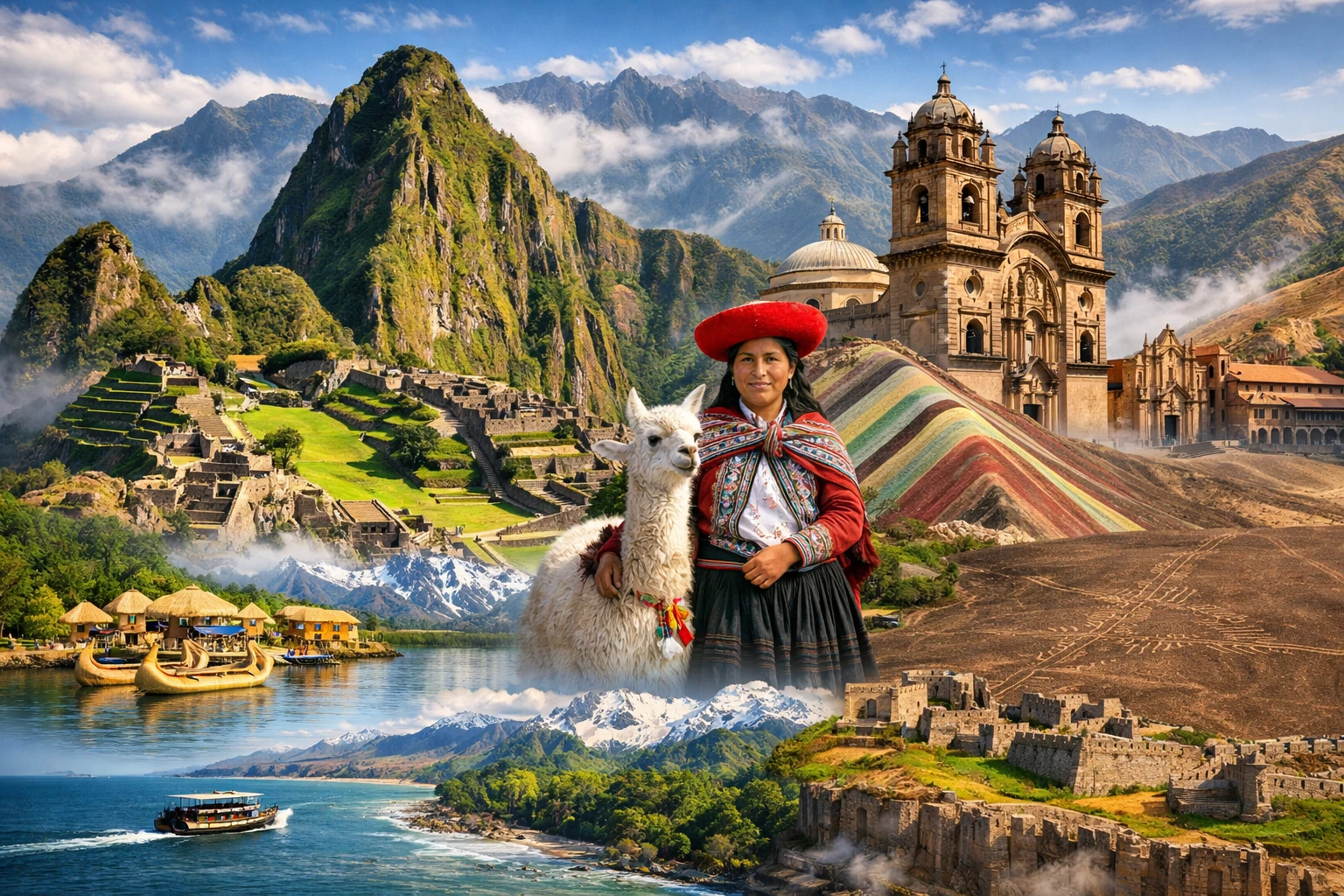
Peru is one of South America’s most diverse and rewarding destinations, blending ancient civilizations, dramatic mountain landscapes, colonial cities, rainforest biodiversity, and world-renowned cuisine. A well-planned trip to Peru can take you from the high-altitude ruins of the Inca Empire to Pacific coast deserts and deep into the Amazon Basin — all within a single itinerary.
This Peru travel guide is designed to help you plan a realistic and structured trip. Whether you’re a backpacker exploring the Andes, a couple planning a cultural getaway, or a luxury traveler seeking curated experiences, this guide provides clarity on distances, routes, budgets, and what truly makes Peru worth visiting.
2. Overview of the Country
Located in western South America, Peru borders Ecuador and Colombia to the north, Brazil to the east, Bolivia to the southeast, Chile to the south, and the Pacific Ocean to the west. The country is geographically divided into three major regions:
• The coastal desert (Costa)
• The Andes mountains (Sierra)
• The Amazon rainforest (Selva)
AI Travel Planner
The capital and main international gateway is Lima, where most international flights arrive. Lima serves as a practical starting point before heading toward the Andes or the Amazon.
Peru is positioned as a cultural and adventure-rich destination. It is ideal for history lovers, trekkers, food enthusiasts, photographers, and travelers interested in indigenous traditions and archaeological heritage.
3. Major Cities and Regions
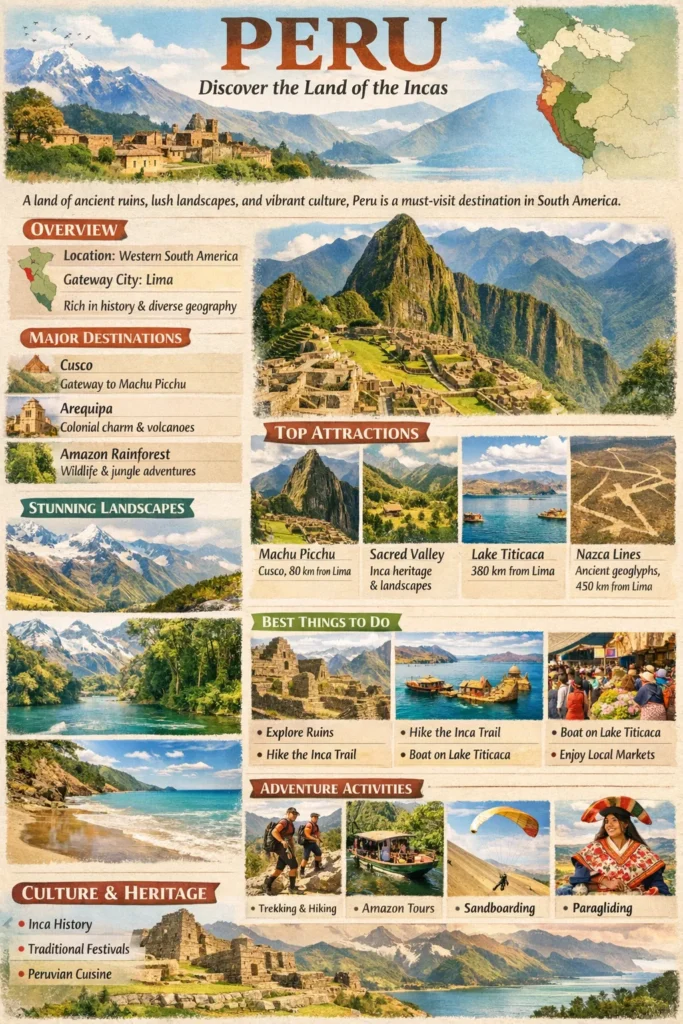
Lima
The coastal capital known for colonial architecture, cliffside ocean views, and one of the best culinary scenes in Latin America. Best for food lovers and first-time visitors.
Cusco
Former capital of the Inca Empire and gateway to Machu Picchu. Ideal for history enthusiasts, trekkers, and cultural explorers.
Arequipa
A beautiful colonial city surrounded by volcanoes. Best for architecture lovers and those heading to Colca Canyon.
Puno
Located on the shores of Lake Titicaca. Ideal for travelers interested in indigenous cultures and high-altitude lake landscapes.
Iquitos
Gateway to the Amazon rainforest, accessible mainly by air or river. Best for nature seekers and wildlife lovers.
Each of these destinations can form individual city-level guides within TravelBloomy for deeper exploration.
4. Famous Tourist Places in Peru
Machu Picchu – Cusco Region
Distance from Lima: Approx. 1,100 km (flight to Cusco + train or trek)
How to reach:
Fly from Lima to Cusco (1.5 hours), then take a train from Ollantaytambo to Aguas Calientes, followed by a short bus ride. Alternatively, trek the Inca Trail.
Why it is famous:
Machu Picchu is one of the New Seven Wonders of the World and the most iconic Inca archaeological site. Its mountain-top setting and precision stonework make it extraordinary.
Practical insight:
Tickets sell out months in advance, especially during peak season (May–September). Acclimatize in Cusco before visiting.
Sacred Valley – Near Cusco
Distance from Lima: Approx. 1,050 km (via Cusco)
How to reach:
Fly to Cusco and travel by road (1–2 hours).
Why it is famous:
The Sacred Valley contains Inca ruins, traditional markets, and scenic mountain villages.
Practical insight:
Many travelers prefer staying in the valley for better altitude adjustment.
Lake Titicaca – Puno
Distance from Lima: Approx. 1,300 km (flight to Juliaca + road)
How to reach:
Fly to Juliaca Airport and travel 1 hour by road to Puno.
Why it is famous:
Lake Titicaca is the highest navigable lake in the world and home to floating reed islands.
Practical insight:
Altitude is high (3,800 m). Move slowly and stay hydrated.
Colca Canyon – Arequipa
Distance from Lima: Approx. 1,000 km (flight to Arequipa + road)
How to reach:
Fly to Arequipa, then take a 3–4 hour road journey.
Why it is famous:
Colca Canyon is one of the deepest canyons in the world and a prime spot for spotting Andean condors.
Practical insight:
Overnight tours allow better sunrise views and cultural immersion.
Nazca Lines – Nazca
Distance from Lima: Approx. 450 km
How to reach:
6–7 hour bus ride from Lima.
Why it is famous:
Nazca Lines are massive desert geoglyphs visible best by small aircraft.
Practical insight:
Flights depend on weather conditions; choose morning slots for smoother air.
5. Landscapes and Natural Attractions
Peru’s geography changes dramatically across regions:
Mountains: The Andes dominate central Peru with snow-capped peaks and trekking routes.
Desert: The coastal region includes sand dunes and arid plains.
Rainforest: The Amazon basin in eastern Peru offers dense biodiversity.
Lakes: High-altitude lakes like Lake Titicaca provide surreal scenery.
Beaches: Northern coast beaches such as Mancora attract surfers and relaxation seekers.
Seasonal beauty varies — the dry season (May–September) is ideal for trekking, while the rainy season (November–March) transforms landscapes into lush green valleys.
6. Best Things to Do in Peru
Explore Inca ruins in Cusco and the Sacred Valley.
Experience Peruvian cuisine in Lima, known for ceviche and fusion gastronomy.
Visit local Andean markets for textiles and handicrafts.
Take a scenic train journey to Machu Picchu.
Cruise the Amazon River from Iquitos.
Relax on Pacific coast beaches.
The experience is deeply immersive, combining culture, altitude landscapes, and local traditions.
7. Adventure and Experiences
Trekking:
The Inca Trail (best season: May–September, intermediate level).
Rainbow Mountain hikes:
Best season: Dry months; moderate difficulty.
Amazon jungle expeditions:
Year-round; beginner-friendly with guided tours.
Sandboarding in Huacachina:
Best in dry weather; beginner-friendly.
White-water rafting in the Urubamba River:
Best during dry season; beginner to intermediate.
8. Culture, History and Heritage
Peru was the center of the Inca Empire before Spanish colonization in the 16th century. Colonial cities blend Spanish baroque architecture with indigenous influences.
UNESCO sites include Machu Picchu and the historic center of Lima. Traditional music, textile weaving, and vibrant festivals like Inti Raymi reflect enduring Andean heritage.
Peruvian cuisine is globally recognized for its diversity, combining indigenous ingredients with Spanish, African, Chinese, and Japanese influences.
9. Local Insights
• Altitude sickness is common in Cusco and Puno — acclimatize for 1–2 days.
• Local buses are economical but long-distance journeys can be tiring; flights save time.
• Try local dishes like lomo saltado and alpaca meat in highland regions.
• Always carry small cash in local currency for rural markets.
• Book Machu Picchu permits well in advance.
10. Practical Travel Information
Best time to visit:
May to September (dry season, ideal for trekking).
Ideal trip duration:
7–12 days for a well-paced itinerary.
Daily budget (approximate):
Budget: $40–60
Mid-range: $80–150
Luxury: $250–500+
Safety:
Generally safe in tourist areas. Use licensed taxis and avoid isolated areas at night.
Connectivity:
Major cities have good internet access. Remote areas may have limited signal.
Local transport:
Domestic flights connect major cities. Buses are common for intercity travel.
11. Estimated 7-Day Trip Cost from India
Flights (round trip): $900–1,200
Stay (7 nights):
Budget: $200–350
Mid-range: $500–900
Luxury: $1,500+
Food (7 days):
Budget: $100
Mid-range: $250
Luxury: $600+
Transport within Peru: $150–400
Activities and entry fees: $200–500
Visa (if applicable): Check current regulations
Insurance: $40–80
Estimated total:
Budget: $1,600–2,200
Mid-range: $2,200–3,500
Luxury: $4,000+
12. Sample 7-Day Itinerary
Day 1–2: Lima
Explore historic center and enjoy culinary experiences.
Day 3–4: Cusco
Acclimatize, visit city ruins and Sacred Valley.
Day 5: Machu Picchu
Full-day visit.
Day 6: Return to Cusco and explore local markets.
Day 7: Return to Lima and depart.
This itinerary balances culture, altitude adjustment, and iconic highlights.
13. FAQs
Is Peru safe for travelers?
Yes, tourist areas are generally safe with standard precautions.
What is the best month to visit Peru?
June to August offers dry weather and clear skies.
Is Peru suitable for solo travelers?
Yes, especially in popular tourist circuits.
How many days are enough?
At least 7–10 days for major highlights.
Is Peru budget-friendly?
Yes, especially compared to many Western destinations.
14. Internal Linking Strategy
For deeper planning:
• Explore a detailed Lima travel guide for food and neighborhoods.
• Read a Cusco travel guide for altitude tips and trekking routes.
• Compare Peru with other South American destinations in our continent travel section.
• Check our budget vs luxury travel comparison guide to decide your travel style.
15. Plan Your Peru Trip with TravelBloomy
Use TravelBloomy’s AI itinerary planner to structure your Peru route realistically, adjust pacing for altitude, and calculate real-time trip costs.
You can also use the smart budget calculator to compare backpacker and luxury options, save itineraries, and explore local experience providers.
Planning becomes clearer when you see both time and cost in one place.
16. Conclusion
Peru offers more than just Machu Picchu. It is a country where ancient civilizations meet dramatic mountains, where coastal cuisine meets jungle biodiversity, and where slow travel reveals layers of culture and resilience.
With thoughtful planning, realistic pacing, and budget clarity, Peru becomes not just a trip, but a meaningful journey through history and landscape.