When planning an unforgettable African adventure, this Rwanda travel guide introduces you to one of the most beautiful and rapidly rising destinations in the world. Rwanda is known for its rolling hills, lush greenery, and extraordinary wildlife experiences that attract travelers seeking both adventure and peace.
This Rwanda travel guide will help you explore everything from vibrant cities to dense forests and serene lakes, making it a complete resource for your journey.
Why Rwanda is Trending in Travel
In recent years, this Rwanda travel guide has become increasingly popular as travelers look for unique, safe, and eco-friendly destinations. The capital city, Kigali, reflects modern Africa with its clean streets, organized infrastructure, and welcoming environment.
Many travelers searching for a Rwanda travel guide are surprised by how safe and progressive the country is, making it ideal for solo travelers and first-time visitors to Africa.
AI Travel Planner
Top Places to Visit in Rwanda
Every Rwanda travel guide highlights the country’s incredible diversity of landscapes and attractions.
Volcanoes National Park
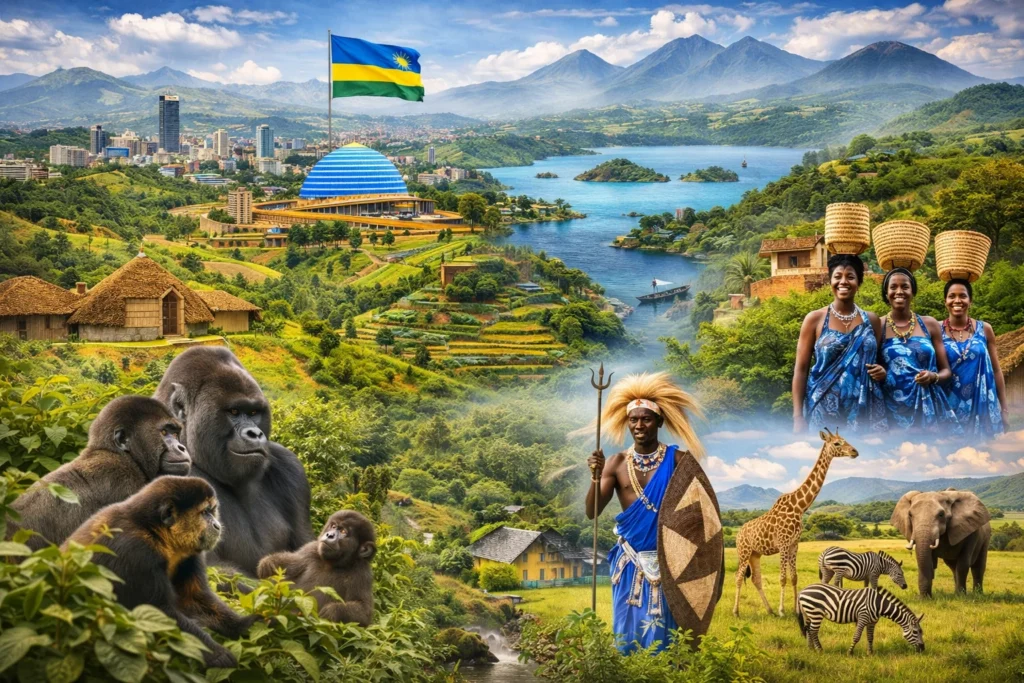
A key highlight in any Rwanda travel guide is Volcanoes National Park, famous for its mountain gorillas and volcanic scenery. This is where travelers experience one of the most exclusive wildlife encounters in the world.
Nyungwe Forest National Park
Another must-visit in this Rwanda travel guide is Nyungwe Forest National Park, known for its canopy walk and chimpanzee tracking adventures.
Lake Kivu
For relaxation, this Rwanda travel guide recommends Lake Kivu, where calm waters and scenic sunsets create a perfect escape.
Akagera National Park
A complete Rwanda travel guide would be incomplete without Akagera National Park, where you can enjoy classic African safaris and spot the Big Five.
Gorilla Trekking in Rwanda
One of the biggest reasons people search for a Rwanda travel guide is the world-famous gorilla trekking experience. In Volcanoes National Park, travelers hike through misty forests to see mountain gorillas in their natural habitat.
This Rwanda travel guide strongly recommends booking permits in advance, as this once-in-a-lifetime experience is limited and highly sought after.
Best Time to Visit Rwanda
Timing plays an important role in planning with this Rwanda travel guide. The best months to visit Rwanda are during the dry seasons from June to September and December to February.
During these periods, this Rwanda travel guide suggests that trekking and wildlife viewing are easier due to better trail conditions and clearer visibility.
Rwanda Culture and Food
A complete Rwanda travel guide isn’t just about places—it’s also about people and culture. Rwanda’s traditions, music, and community values create a meaningful travel experience.
When following this Rwanda travel guide, don’t miss trying local dishes like Ugali, Isombe, and grilled brochettes, which reflect the country’s rich culinary heritage.
Budget vs Luxury Travel in Rwanda
This Rwanda travel guide caters to all types of travelers, from budget explorers to luxury seekers. Budget travelers can find affordable stays and local transport options, while luxury travelers enjoy premium lodges and curated safari experiences.
However, this Rwanda travel guide highlights that gorilla trekking permits are a major cost, but they deliver unmatched value.
7-Day Rwanda Itinerary
This Rwanda travel guide offers a simple itinerary to help you explore efficiently:
Day 1–2: Kigali – City exploration and culture
Day 3–4: Volcanoes National Park – Gorilla trekking
Day 5: Lake Kivu – Relaxation
Day 6–7: Akagera National Park – Safari adventure
This Rwanda travel guide ensures you experience both adventure and relaxation in one trip.
Travel Tips for Rwanda
To make the most of this Rwanda travel guide, keep these tips in mind:
Carry cash for local purchases
Respect local customs and traditions
Follow wildlife safety rules strictly
Book permits early
Pack for varying weather conditions
Following this Rwanda travel guide will help you enjoy a smooth and memorable journey.
Conclusion
This Rwanda travel guide shows why Rwanda is one of Africa’s most inspiring destinations. From gorilla trekking to scenic lakes and cultural experiences, the country offers something truly unique.
If you’re looking for a destination that combines nature, adventure, and meaningful travel, this Rwanda travel guide proves that Rwanda should be at the top of your list.