Visiting Leh Ladakh in Winter: Complete Travel Guide
Introduction
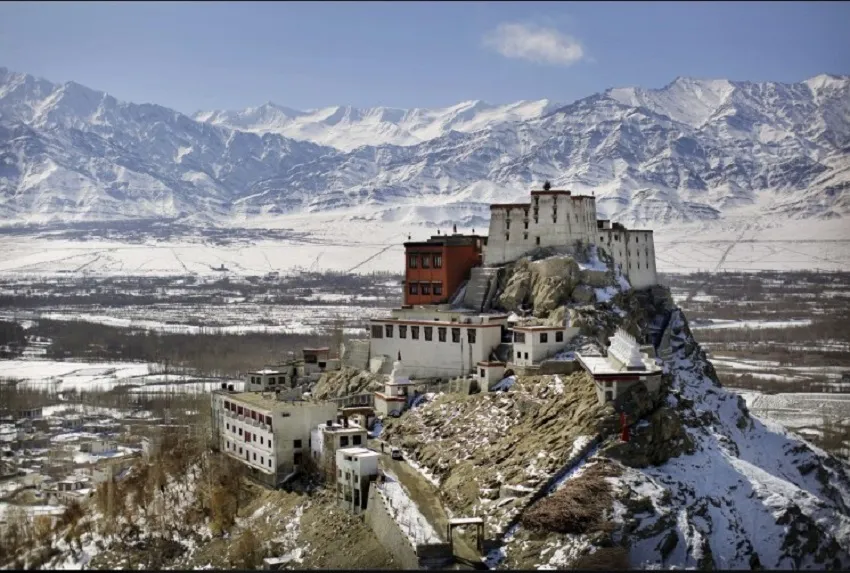
Snow-covered mountains, frozen rivers, quiet monasteries and villages surrounded by the Himalayas give Ladakh a very different character in winter. The busy summer season fades, temperatures fall well below freezing, and everyday life continues at a slower pace in one of India's most striking high-altitude regions.
Visiting Leh Ladakh in winter can be a memorable experience, but it is not an ordinary hill-station holiday. Cold weather, high altitude, changing road conditions and reduced tourist services mean that a successful trip needs more preparation than a summer visit.
This guide explains what winter is like in Leh, which places may be accessible, how to reach the region, what to budget for, where to stay and how to prepare. It is intended for independent travellers, couples, small groups and anyone considering a winter journey to Ladakh.
Why visit?
Winter reveals a quieter side of Ladakh. The landscape can be stark and beautiful, with snow on mountain slopes, frozen sections of rivers and fewer visitors at popular viewpoints.
Reasons to consider a winter visit include:
- Quieter surroundings: Leh and nearby villages are generally less busy than during the main summer tourism season.
- Winter landscapes: Snow, ice and clear mountain scenery create distinctive conditions for landscape photography.
- Local culture: A longer stay in Leh can offer opportunities to learn about Ladakhi food, architecture, traditions and daily life during the cold season.
- Monasteries and heritage: Cultural sites around Leh provide a meaningful alternative when long-distance road excursions are not practical.
- Specialist winter experiences: The Chadar Trek is a well-known winter expedition, but it is subject to natural conditions, official arrangements and specialist safety requirements.
Best places or experiences
Access to destinations outside Leh depends on snowfall, road clearance, weather, local decisions and available services. Confirm conditions locally before setting out. The places below are options to consider, not a guarantee that every route will be open on your dates.
1. Leh town
Leh is the most practical base for a winter visit. Its traditional buildings, narrow lanes, market area and mountain backdrop make it worth exploring at an unhurried pace.
Things to do include:
- Walk around the main market when shops are open.
- Look for local cafés and restaurants operating during your stay.
- Observe traditional Ladakhi architecture.
- Visit local cultural and heritage sites where access is available.
- Speak with local hosts about winter routines and community life.
2. Shanti Stupa
Shanti Stupa stands above Leh and offers wide views of the town and surrounding mountains. In winter, snow and clear conditions can create striking views.
Access may be affected by snow, ice or local restrictions. Check whether the approach is open and safe before travelling. Avoid attempting the visit on foot if the route is icy or conditions are unsuitable.
3. Leh Palace
Leh Palace is a historic royal residence overlooking the town. Its traditional architecture and position above Leh make it an important heritage stop.
Opening arrangements can vary by season. Check locally before including it in a fixed schedule, and allow extra time for the approach and winter conditions.
4. Thiksey Monastery
Thiksey Monastery is one of the best-known monasteries in the Leh region. Its hilltop setting and traditional Buddhist architecture make it a worthwhile cultural visit when the road is accessible.
Dress respectfully, follow instructions from monastery staff and ask before photographing people or religious activities. Confirm visiting arrangements before setting out.
5. Shey Palace and Monastery
Shey, located in the wider Leh area, is known for its historic palace and monastery. It can be considered as part of a nearby cultural excursion if roads and site access permit.
Rather than rushing through several stops, take time to understand the history and setting of the places you visit.
6. Nubra Valley
Nubra Valley is known for its mountain scenery, villages and the sand dunes around Hunder. Winter can transform the landscape, but reaching the valley usually involves crossing a high mountain pass.
Road conditions around Khardung La can change quickly. Before planning an overnight trip, confirm the current road status, transport arrangements, accommodation availability and local guidance. Keep a backup plan in case the route closes.
7. Pangong Lake
Pangong Lake is famous for its high-altitude setting and changing shades of blue. During winter, parts of the lake may freeze, creating a very different landscape from the summer view.
The journey involves high-altitude roads and conditions that can become difficult in winter. Access, accommodation and basic services may be limited. Confirm all arrangements before leaving Leh.
Never walk or drive onto a frozen lake. Ice thickness and stability are not reliably judged by appearance, and conditions can vary across the surface.
8. Chadar Trek in Zanskar
The Chadar Trek is a specialist winter trek along sections of the frozen Zanskar River. It is an expedition, not a casual day activity or a guaranteed winter attraction.
The route depends on natural ice formation and changing temperatures. If you are considering it:
- Use an experienced, properly registered operator.
- Check current official permissions and operating arrangements.
- Confirm the trek is running for your dates.
- Understand the physical demands and medical considerations.
- Use the equipment specified by your operator.
- Follow local guides and safety instructions throughout.
Best time to visit
Winter in Ladakh generally runs from November to March, although conditions vary from year to year and between Leh and higher areas.
| Month | Typical winter experience | Planning consideration |
|---|---|---|
| November | Cold conditions develop; snowfall is possible | Some services may begin reducing seasonal operations |
| December | Colder days and nights; winter conditions become more established | Confirm accommodation, transport and road access in advance |
| January | Usually one of the coldest periods | Prepare for severe cold and possible disruption |
| February | Very cold conditions can continue | Keep plans flexible and verify services |
| March | A gradual seasonal transition, though nights remain cold | Do not assume high passes or remote routes have reopened |
The India Meteorological Department's Leh climate records show that January and February can have very low average minimum temperatures. Actual conditions vary, and temperatures can fall lower than monthly averages. Check the latest forecast close to departure rather than relying only on seasonal averages.
For travellers primarily interested in deep winter scenery, December to February may be appealing, but these months also bring the greatest cold-weather and disruption considerations. November and March can offer a transition into or out of winter, but neither guarantees easy access to remote destinations.
How to reach
By air
Flying to Kushok Bakula Rimpochee Airport in Leh is generally the most practical way to reach Ladakh during winter. Flight schedules and connections vary by date and airline.
Winter weather can affect flight operations. Build flexibility into your plans, keep an eye on airline updates and avoid scheduling an important onward connection immediately after your expected arrival or departure.
After landing, go to your accommodation and follow the recommended acclimatisation period. Do not plan a high-altitude excursion on arrival day.
By train
There is no railway station in Leh. Travellers using the train need to reach a suitable railhead elsewhere and continue by road or air. The onward journey can be long and, in winter, road access may be restricted.
For a winter trip, check the complete route rather than assuming that a train journey will provide a straightforward connection to Leh.
By road
The Manali–Leh highway normally closes during winter because of snow and difficult conditions at high mountain passes. It should not be treated as a dependable winter entry route.
The Srinagar–Kargil–Leh route is also affected by winter weather and can face closures or restrictions. Do not assume it will remain open throughout the season.
For road excursions from Leh, check current conditions with the local administration and an experienced local transport provider on the day of travel. A route that was open recently may become unsafe or close after fresh snowfall.
Budget and practical tips
Winter costs depend on your travel dates, group size, accommodation standard, transport availability and the destinations you can safely reach. Limited seasonal services can make some arrangements more expensive than expected.
The following figures are illustrative planning estimates per person for five nights in Leh, excluding flights or the cost of reaching Leh. They are not live quotations and should be replaced with confirmed prices before booking.
| Expense category | Budget | Mid-range | Luxury |
|---|---:|---:|---:|
| Accommodation, 5 nights | ₹4,000–6,000 | ₹10,000–18,000 | ₹25,000–40,000 |
| Food | ₹2,000–3,000 | ₹4,000–6,000 | ₹8,000–12,000 |
| Local transport | ₹4,000–7,000 | ₹8,000–12,000 | ₹15,000–25,000 |
| Activities and sightseeing | ₹1,000–2,000 | ₹2,000–4,000 | ₹5,000–8,000 |
| Indicative total | ₹11,000–18,000 | ₹24,000–40,000 | ₹53,000–85,000 |
These estimates exclude flights, winter clothing purchases, travel insurance, medical expenses, specialist trekking packages and costs caused by delays. Shared transport can reduce the per-person cost, while remote excursions and last-minute arrangements can increase it.
Ways to manage your budget
- Travel with a small group if you want to share the cost of local transport.
- Ask accommodation providers whether heating, hot water and meals are included.
- Confirm that a property is operating during your exact dates.
- Compare flight fares and baggage rules before booking.
- Keep money available for unexpected nights or transport changes.
- Set aside an emergency buffer rather than spending the full budget on planned activities.
Where to stay
Leh town is generally the most practical base for a first winter visit because it offers access to local services and nearby cultural attractions. Staying centrally can also make it easier to find food and arrange local transport, although the availability of individual businesses varies by season.
Accommodation options may include:
- Guesthouses and homestays: Worth considering for a simpler stay and opportunities to learn about local life. Confirm winter operating dates and facilities directly.
- Mid-range hotels: May suit travellers who want more predictable services and assistance arranging transport.
- Higher-comfort properties: Consider these if reliable heating, food service and support are priorities. Confirm exactly what is operating rather than relying on summer listings.
1. Will you be open for the entire booking period?
2. What type of room heating is provided, and during which hours?
3. Is hot water available every day?
4. Are meals available on the dates of the stay?
5. What backup arrangements exist for electricity or heating interruptions?
6. Can staff help arrange a local driver or emergency assistance?
For an excursion to Nubra or Pangong, confirm the accommodation separately. Do not assume that summer guesthouses and camps will be operating in winter.
Travel tips
Allow time to acclimatise
Leh is approximately 3,500 metres above sea level. Travellers arriving by air move quickly from a low-altitude location to a high-altitude environment, which increases the importance of acclimatisation.
Follow the current advice of the local administration and your medical professional. The Leh district administration has advised visitors to allow at least 48 hours for acclimatisation before travelling to higher-altitude locations. During this period, rest, avoid strenuous activity and monitor how you feel.
Headache, nausea, dizziness, unusual tiredness and loss of appetite can be symptoms of acute mountain sickness. Severe breathlessness at rest, confusion, difficulty walking or worsening symptoms require urgent medical attention. Do not continue ascending when symptoms are developing.
Pack for sub-zero conditions
Use layers so you can adjust clothing as conditions change. Consider packing:
- Thermal base layers.
- An insulated down or equivalent winter jacket.
- A windproof and water-resistant outer layer.
- Warm trousers and additional insulating layers.
- Insulated footwear with good grip.
- Wool or thermal socks.
- Warm gloves and a cap.
- Sunglasses for strong light and snow glare.
- Sunscreen, lip balm and moisturiser.
- Personal medicines and a basic first-aid kit.
- A power bank and charging cables.
Check roads and weather every day
Ask your driver and accommodation host about current conditions. Check official weather and road advisories before setting out, and do not pressure a driver to travel when conditions are unsafe.
Avoid unnecessary night driving on unfamiliar winter roads. Keep spare time in your itinerary in case a road closes or a vehicle cannot proceed.
Choose experienced local transport providers
Winter driving can involve snow, ice, reduced visibility and rapidly changing conditions. Use a driver who is familiar with the route and current winter conditions. Confirm the vehicle and return arrangements before starting a remote excursion.
Keep essential items accessible
Carry personal medication, water, snacks, warm clothing, identification, emergency contact details and a charged phone. Do not leave all warm clothing or essential supplies in luggage that may be inaccessible during a road delay.
Respect local culture and the environment
Dress respectfully at religious sites, follow monastery instructions and ask before photographing residents. Choose local businesses where practical, avoid littering and follow guidance about restricted or sensitive areas.
Keep your itinerary flexible
Build buffer time into arrival and departure plans. If a road is closed, treat the change as part of responsible winter travel rather than trying to force the original schedule.
Frequently asked questions
Is Leh Ladakh open for tourists in winter?
Leh remains accessible by air when flights are operating, subject to weather and airline decisions. Some roads, remote destinations and seasonal accommodation may be unavailable. Confirm conditions before travelling.
Which is the coldest month in Leh Ladakh?
January is generally among the coldest months. Temperatures vary by year and location, and visitors should prepare for conditions well below freezing.
Can we visit Pangong Lake in January?
Access may be possible when road and weather conditions allow, but it is not guaranteed. Check current road status, local advice and accommodation before planning the excursion. Never walk or drive on frozen lake ice.
Does it snow in Leh during December and January?
Snowfall is possible during both months, but its timing and amount vary. A winter booking does not guarantee fresh snowfall during your stay.
Can we travel from Manali to Leh in winter?
The Manali–Leh highway normally closes during winter due to snow and conditions at high mountain passes. Flying to Leh is generally the more practical winter option.
How many days are enough for a winter Ladakh trip?
Five to seven days can provide a starting point for a trip based in Leh, including acclimatisation and nearby sightseeing. Add flexibility for weather and flight disruptions. Remote excursions require additional time and confirmed access.
Plan your Ladakh trip with TravelBloomy
A winter journey needs a plan that can adapt. TravelBloomy can help organise the different parts of your trip so that destinations, travel days and estimated expenses are easier to review together.
Use the AI itinerary generator to build a starting schedule around your dates, trip length and interests. Use the budget planner to estimate accommodation, food, transport and activities, then adjust the plan as you receive confirmed quotations.
Save your itinerary and keep important notes together, including accommodation details, transport arrangements, road checks and alternative plans. For Ladakh in winter, treat an AI-generated itinerary as a planning aid—not confirmation that a road, attraction or service will be available. Always verify changing conditions with official sources and local providers.
Conclusion
Visiting Leh Ladakh in winter offers a quieter and more demanding way to experience the Himalayas. Snowy landscapes, heritage sites, local food and the rhythms of winter life can make the journey rewarding, provided you plan around the realities of the season.
Base your first plans around Leh, allow time to acclimatise, choose accommodation with dependable winter facilities and confirm every road excursion before departure. Keep spare time for weather-related changes, and do not take unnecessary risks to reach a particular viewpoint or lake.
A thoughtful winter trip is not measured by the number of places covered. Give yourself time to understand the region, respect local advice and experience Ladakh at a pace that suits the season.
Sources and fact-checking notes (editorial only)
Review these authoritative sources before publication and again before the winter season. Road status, advisories, flight operations and trekking arrangements can change.
- District Administration Leh: https://leh.nic.in/
- District Administration Leh, tourism and travel information: https://leh.nic.in/tourism/
- India Meteorological Department: https://mausam.imd.gov.in/
- Ladakh Tourism: https://ladakh.gov.in/
- Ministry of Tourism, Government of India: https://tourism.gov.in/
- Confirm the current winter road status and any travel restrictions with the District Administration Leh.
- Verify current acclimatisation and health advisories.
- Check the latest IMD forecast and use clearly dated climate data if exact figures are added.
- Confirm Chadar Trek operating status, registration and safety requirements with the relevant authorities and a qualified operator.
- Replace the illustrative budget with dated quotations if the article is intended to give current prices.
- Confirm that all suggested accommodation and transport services are operating on the reader's travel dates.